Greens Update - Aug 26
Since the last update we have seen a strong development of anthracnose across most of the greens. This is a fungal disease which affects fine turf, with turf thinning and discolouration, and it can appear when grass is under stress, particularly from periods of hot and humid weather, heavy play, close mowing, compaction, and drought stress.
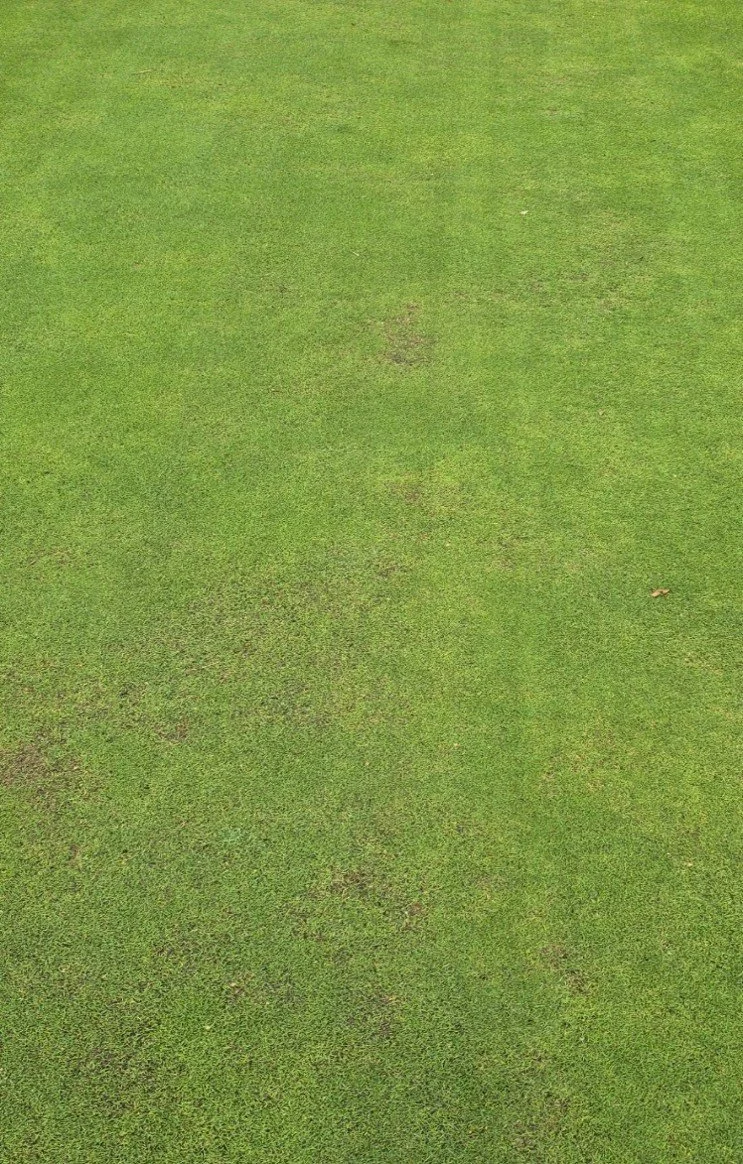
Figure 1: Anthracnose disease.
Although the symptoms can look concerning, anthracnose is something that can be managed with the right combination of cultural work, nutrition and disease control. Although we have identified the issue early, and are monitoring the affected areas closely, the issue remains and so we have already put a recovery programme in place to protect the greens and encourage stronger, healthier growth. We are carrying out the following tasks to improve the issue:
• Aeration: We are carrying out solid tine aeration work to relieve compaction, improve air movement through the rootzone and help water move more effectively through the profile.
• Raised cutting heights: Cutting heights have been lifted ever so slightly to reduce stress on the grass plant and encourage stronger leaf growth and recovery.
• Nutrition and plant health: We are supporting the turf with appropriate nutrition to improve plant strength without forcing excessive growth. Liquid plant products have been applied, such as amino acids, and a granular feed has been applied to aid a faster recovery.
• Topdressing applications: a suitable material is being used to help smooth out the greens, and to help the weaker areas fill in more rapidly.
• Fungicide application: A suitable fungicide programme is being used as part of an integrated approach to suppress further disease activity and protect unaffected areas. This will continue through the autumn to reduce the risk of further outbreaks.
• Reduced stress where possible: Maintenance practices are being adjusted to avoid placing avoidable stress on the greens while the turf is recovering.
During this recovery period, members may notice some areas of the greens looking weaker, thinner or slightly slower than usual. This is a temporary part of the recovery process. The raised cutting height and any necessary aeration work are deliberate, positive steps to take pressure off the grass plant and help the surfaces regain strength.
Members can play an important part in helping the greens recover by reducing avoidable stress on the putting surfaces. Small actions from everyone will make a real difference while the turf is under pressure.
• Repair pitch marks: Please repair your own pitch mark and, where possible, one other. This helps the surface heal more quickly and protects turf cover.
• Keep trolleys and buggies away from green surrounds: Please follow any traffic routes and keep wheels away from vulnerable areas around greens.
Our priority is to stabilise the disease, protect existing turf cover and guide the greens back to their usual standard as quickly and responsibly as conditions allow. We are confident of doing that, and we will continue to review the greens daily, responding to weather conditions and turf health as the situation develops. Thank you for your patience and understanding while this work is carried out. Your support will help give the greens the best opportunity to recover strongly and return to the standards we all expect.
Unfortunately, the drought stress has had a major effect on not just the greens, but the collars, tees and approaches too, as well as areas such as walk offs and bunker banks. These areas too are going to need some cultural work, added fertiliser and seed inputs.
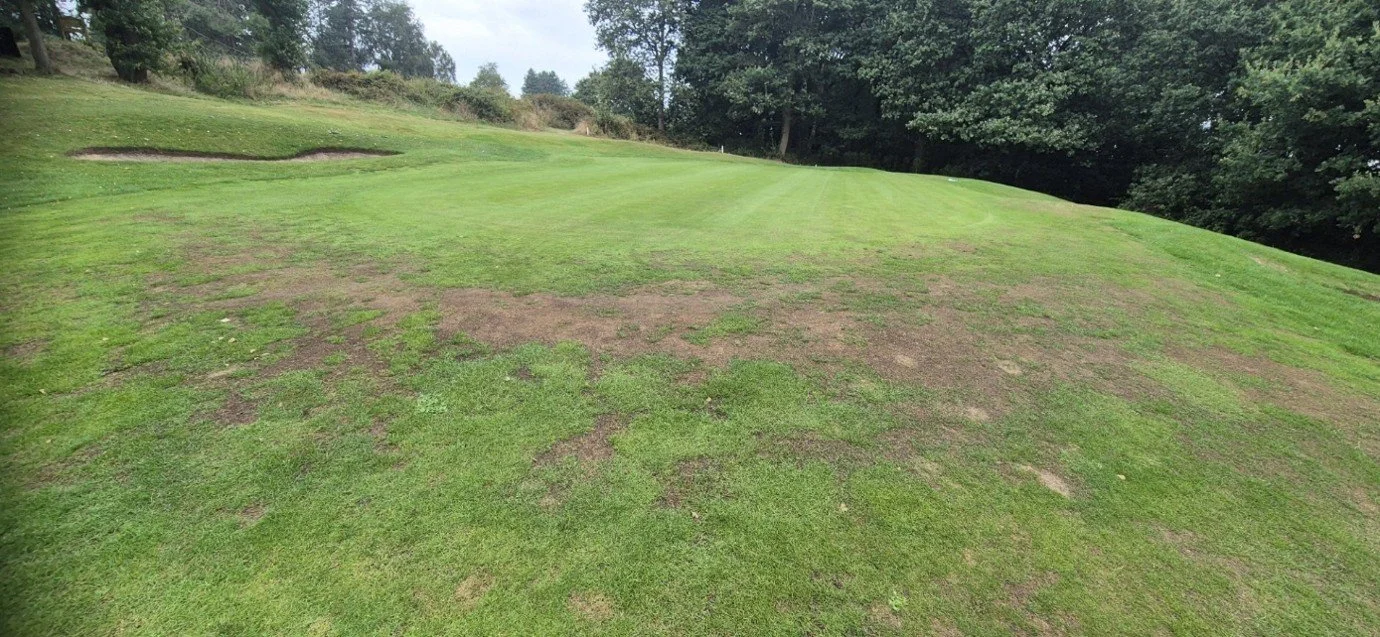
Figure 2: Approach to 12th green, a prime example of the heat stress on the turf.
There may be areas where returfing may take place should it be justified. We will continue to work on such areas through the next month or so to try and make sure they are good as can be while the warmth is still in the soil to aid recovery.
Steve
Head Greenkeeper