Course Update
The weather is hotting up again over this next week and the growth potential is very high. Rated every day from 0 to 1, the next 8 days is showing a total of 7.8 for growth potential, so it will be our main focus to keep on top of it.
The greens have thickened up a bit over the last week too, with the bent grasses flourishing. The greens were given a liquid feed about a week ago and have had a little verticut too to aid with smoothness. We have trialled a new Electric greens mower this week from Jacobsen. Unfortunately, the trial had to be cut short due to a technical error from the supplier, however we will try it again another time and compare and contrast with other new mowers on the market, so that we can be assured if it would be the right way for the club to go.
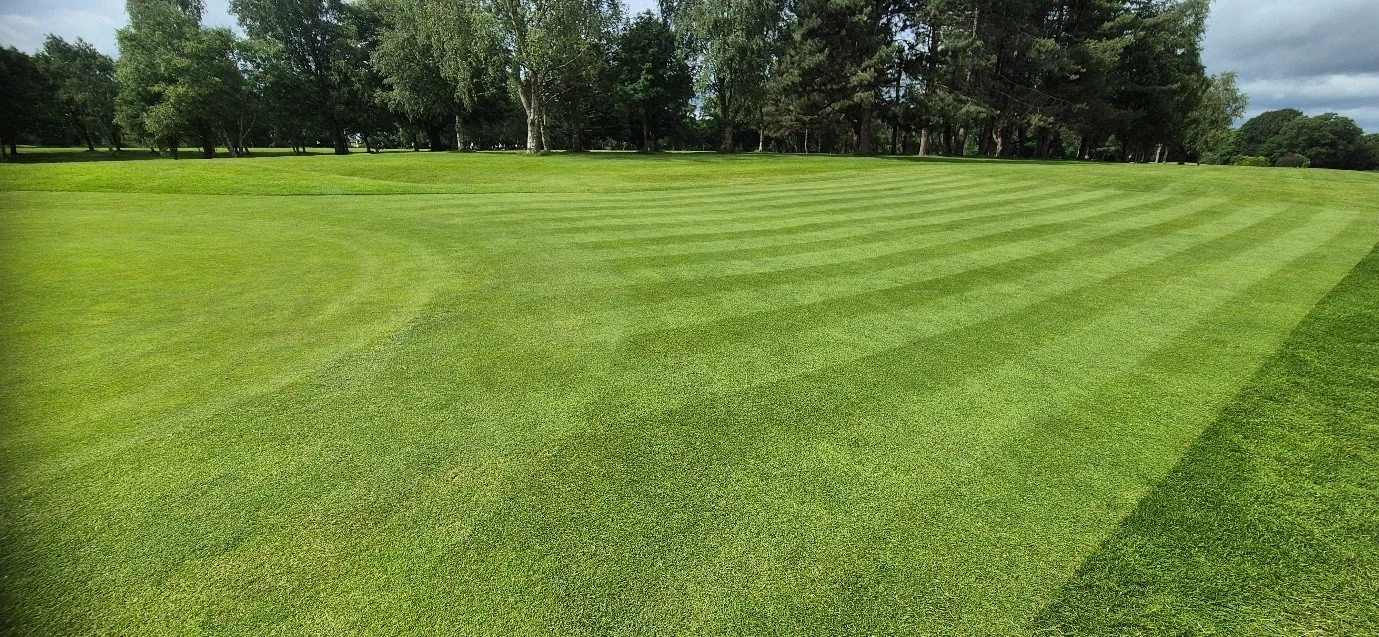
Figure 1: Hand cut approach and collar
This week we have spent a lot of time trying to improve the playability and appearance of the greens’ fringes and the approaches. With our older machinery it is difficult to achieve the tightest of cuts, mainly down to the age and condition of the cutting cylinders. Even when sharpened, which they have been recently, the tees and approaches always look a little “leggy” to me, with the old, wiry rye grass dominating the sward. It is so soft that the units tend to roll the grass rather than give it a good cut.
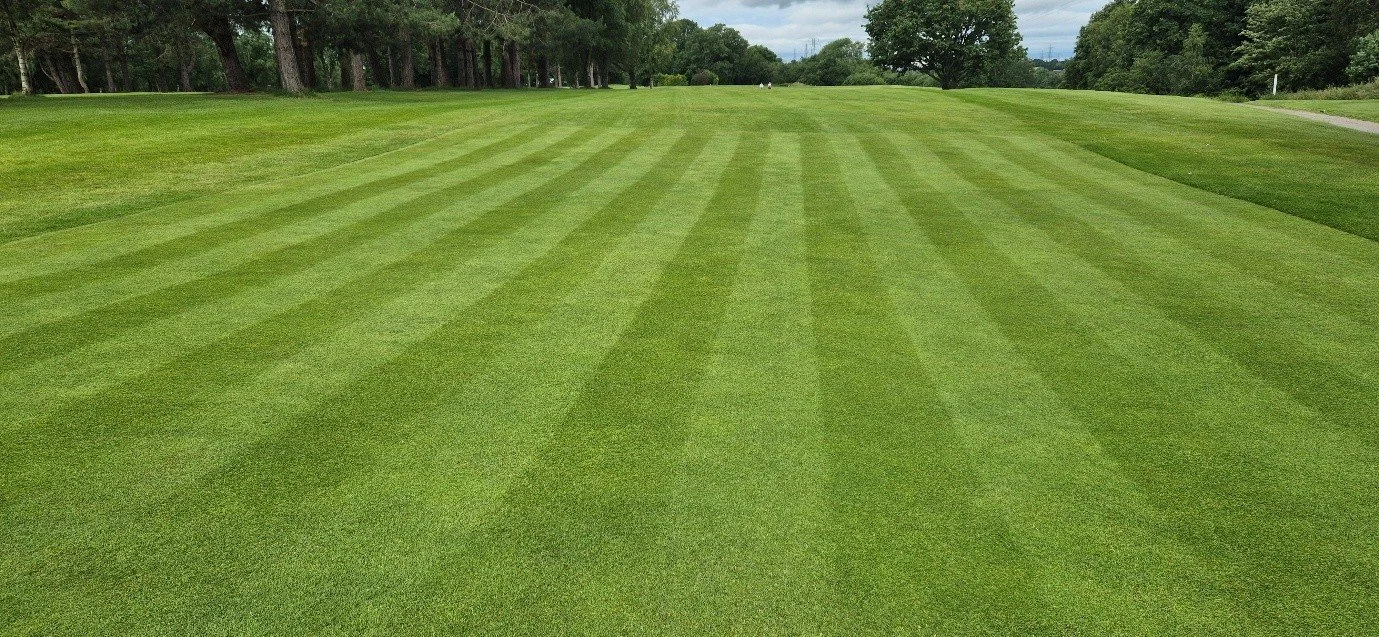
Figure 2: 11th approach.
Therefore, we set up the two large hand mowers and have cut the collars and approaches down to 8mm. This has provided a much better quality of cut and appearance for those surfaces.
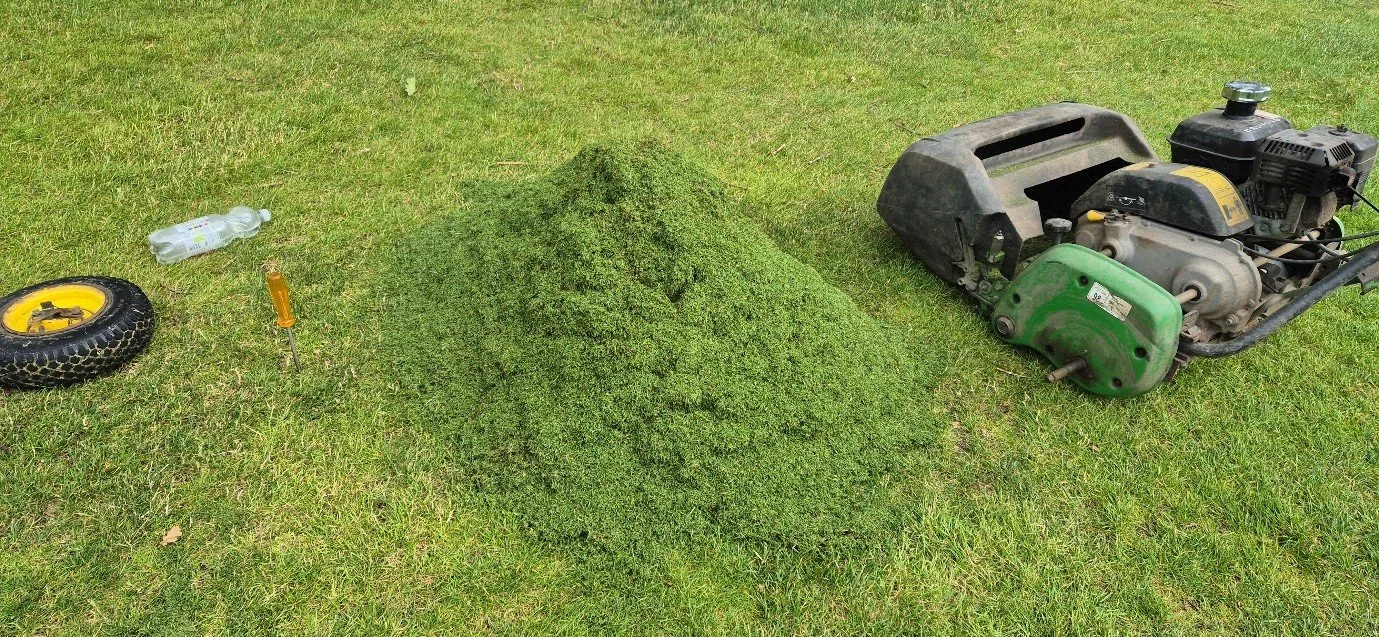
Figure 3: Lots of grass was removed to achieve the quality of appearance.
Then we need to ask the question, is this sustainable? I do not think it is based on our current resources, however every effort will be made to keep them as presentable as possible. Factors affecting our decision are as follows:
Fuel cost: the hand mowers take petrol and so to continue cutting the approaches like this would be costly. (As part of the club wide long-term strategy, we are looking into the future of the machinery fleet, and greater emphasis is being placed on investigating the use of electric mowing equipment). Ideally, we would prefer to present the tees in this way too.
Time: Obviously it takes a lot longer to handcut areas rather than using a triple ride on mower, and more staff. So, if we wanted to hand cut more of the time, we would have to decide on what other tasks could be sacrificed. There are five greenstaff in total, and so using two for handcutting takes away from other areas.
There have been comments from members, asking whether we still need all the current staff due to the purchase of the robot mowers. I can assure everyone that it is tough going trying to achieve the best possible golf course presentation with only five staff, and any further reduction would be bad business sense. The robots are there to take away the large burden of cutting all the fairways and roughs. That is all they do. The greenstaff carry out every other single task that is required.
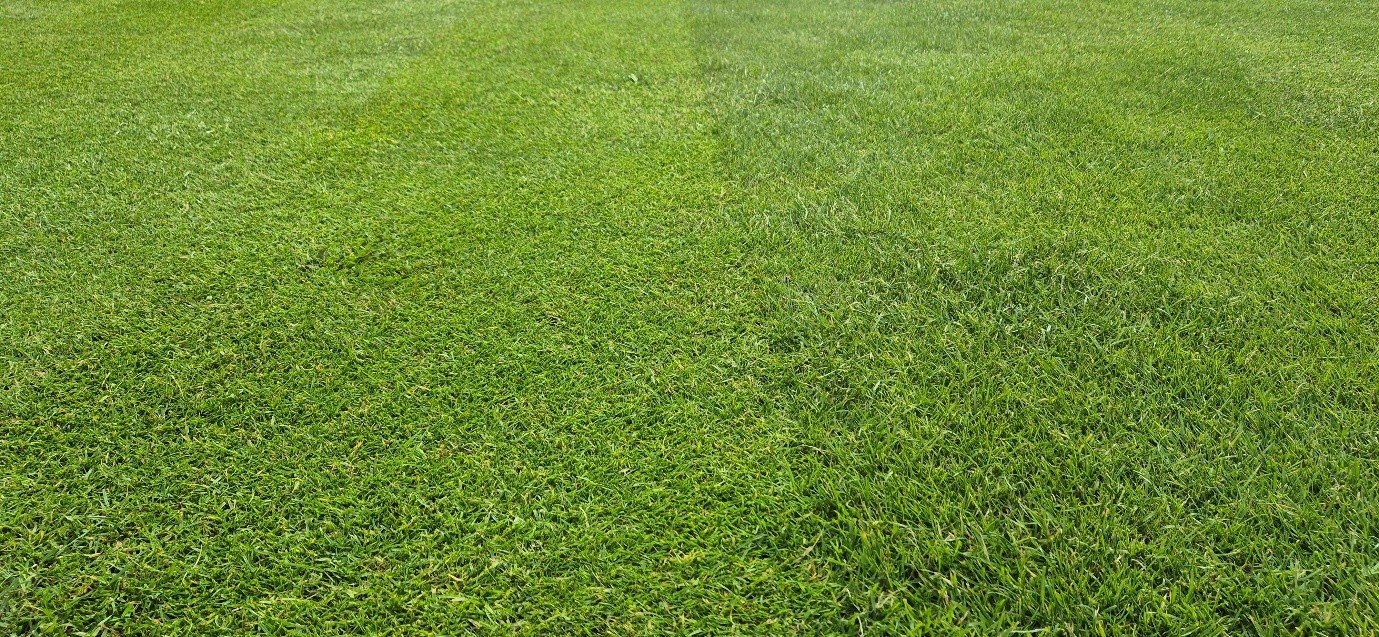
Figure 4: On the left, the hand mower cut, on the right, the triple mower.
Machinery: We have two large hand mowers (22-inch-wide cut) and 2 small hand mowers (18-inch cut). We only have one towing trailer for these items and so it is difficult to efficiently move around the course. Today one mower was driven around on the trailer with a gator, the other was walked round. This meant with half the approaches which were cut, the grass clippings were left in a pile next to the green to be picked up after. That would not be ideal if it was done on a competition day. Hopefully if we do transition to electric mowers, this kind of presentation can become more of the norm.
Having worked on the collars so much, it really brings in to focus the next cut around the greens, at semi rough height. There are many greens complexes where the turf coverage is patchy, with clumps of grass right next to low height areas.
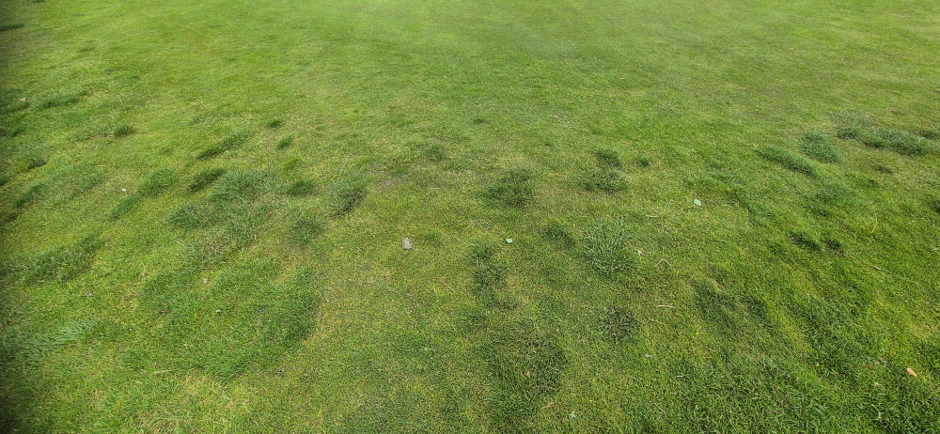
Figure 5: In front of 13th green, very poor uniformity.
This is the next area to look at improving. We will try to improve them by cutting it down to a more uniform height, which may involve strimming the clumps down. In the future, we feel the best solution to improving these areas would be to cut them out completely and returf those areas. That way we can provide the most uniform areas as possible.
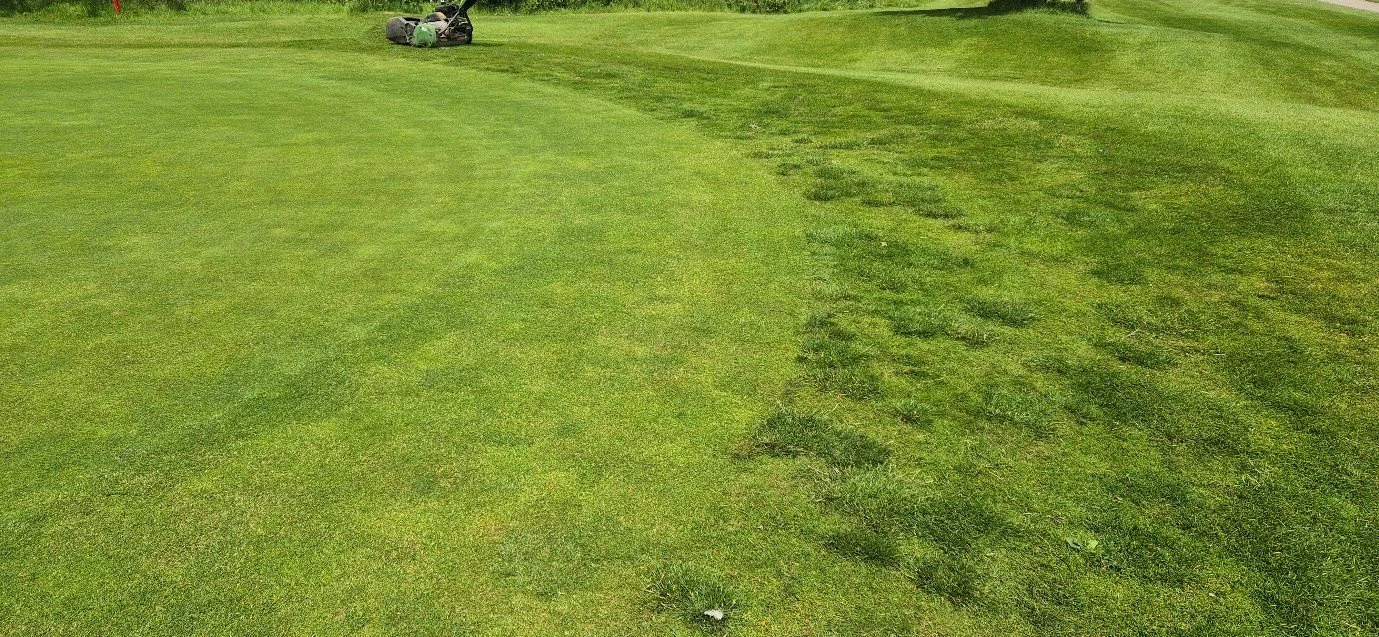
Figure 6: Behind the 4th. Another example of poor uniformity, now that the collar of the green has improved.
We will try to keep on top of all the growth next week, as well as looking at areas to improve. We will also continue to monitor the greens for moisture levels as we go into a sustained hot period.
Steve Hemsley