Course Update & Visit to Top Green (Angers, France)
Last winter, I entered a nationwide competition at BTME, the annual sports turf trade exhibition, and won an all-expenses-paid trip to visit Top Green near Angers in France. Top Green is part of DLF France, one of the world’s largest sports turf seed breeders.
A small group of greenkeepers was selected to visit the site at Les Alleuds, south of Angers and near Nantes. We toured the trial plots and attended presentations explaining how turfgrasses are developed from the earliest stages and how varieties are selected to meet the different requirements of each sport.
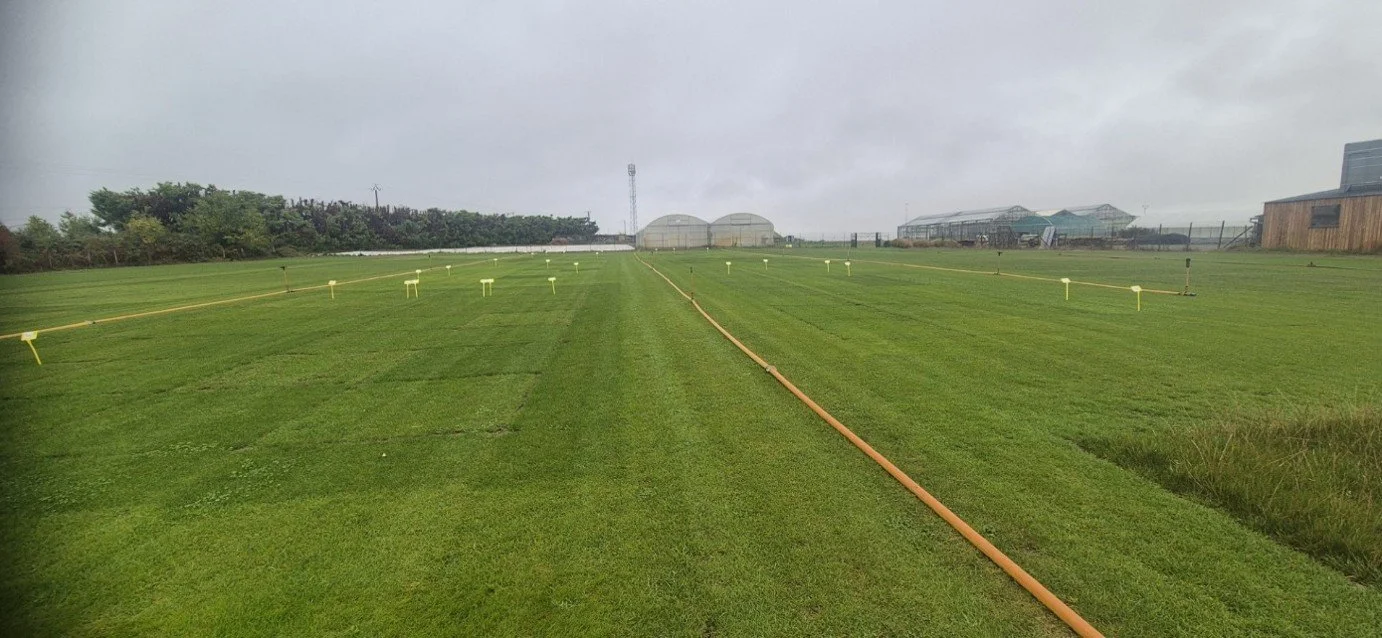
Figure 1: Just an example of some of the plots viewed at DLF.
At Top Green, we toured the seeding turf plots and facilities used by DLF to assess and develop grass varieties. The plots provided a useful comparison of establishment, colour, density and overall turf quality.
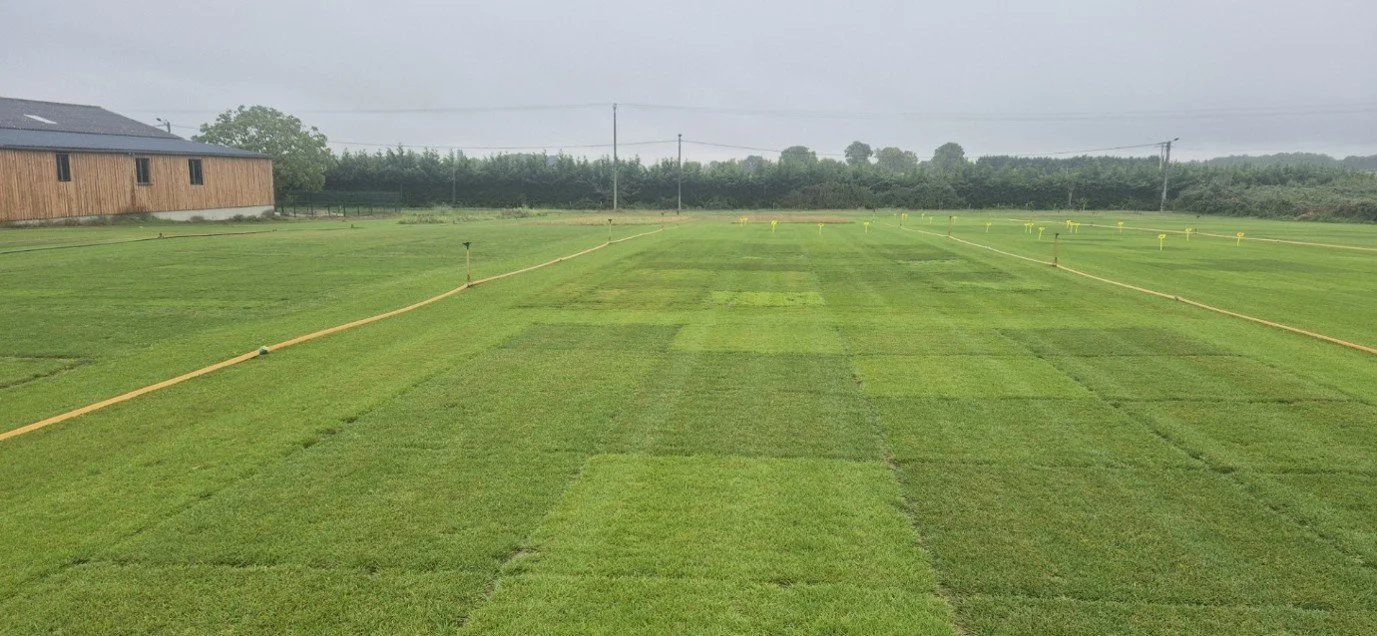
Figure 2: Different rye grass examples.
Seeing the different varieties growing alongside one another made it easier to appreciate the careful evaluation that takes place before seed mixtures are brought to market.
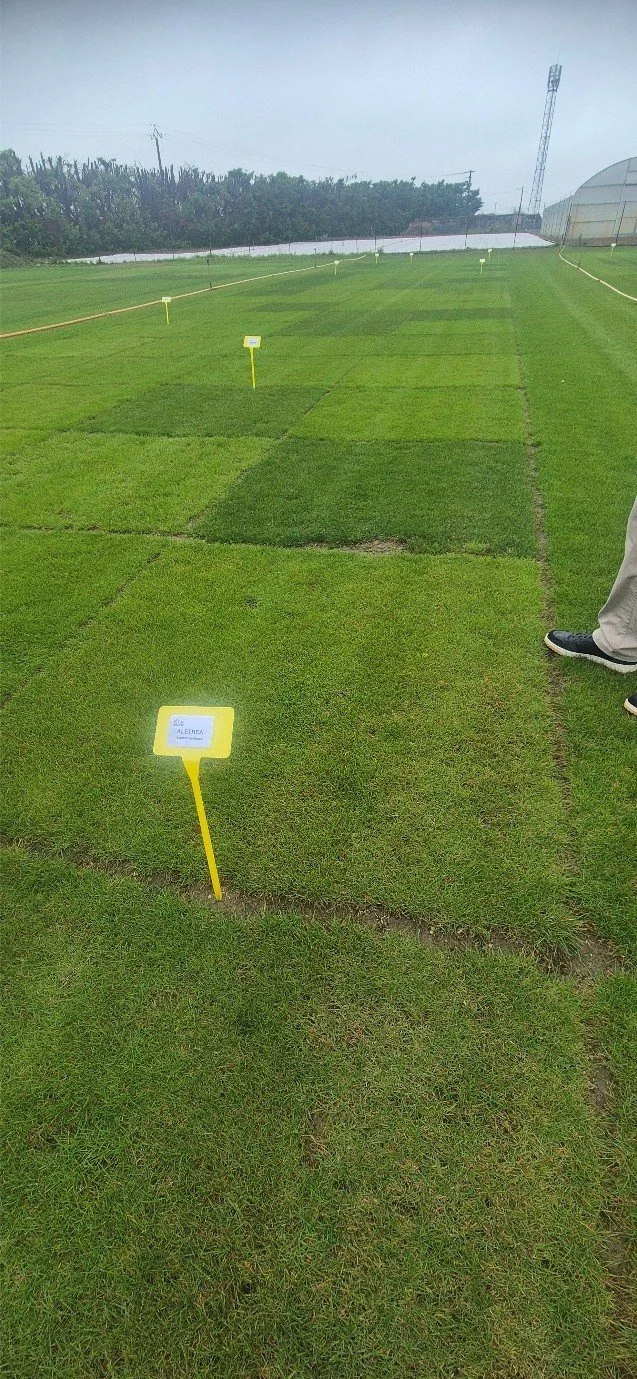
Figure 3: Discussions were had on disease resistant species.
The visit also highlighted the importance of selecting grasses suited to their intended use and local growing conditions. For golf courses, wear tolerance, disease resistance, presentation and reliable establishment all matter, so the work carried out on these trial plots has clear practical value.
We also visited a nearby 27-hole golf course that had suffered severe drought damage after extended summer periods in which temperatures reached 42–44 degrees.
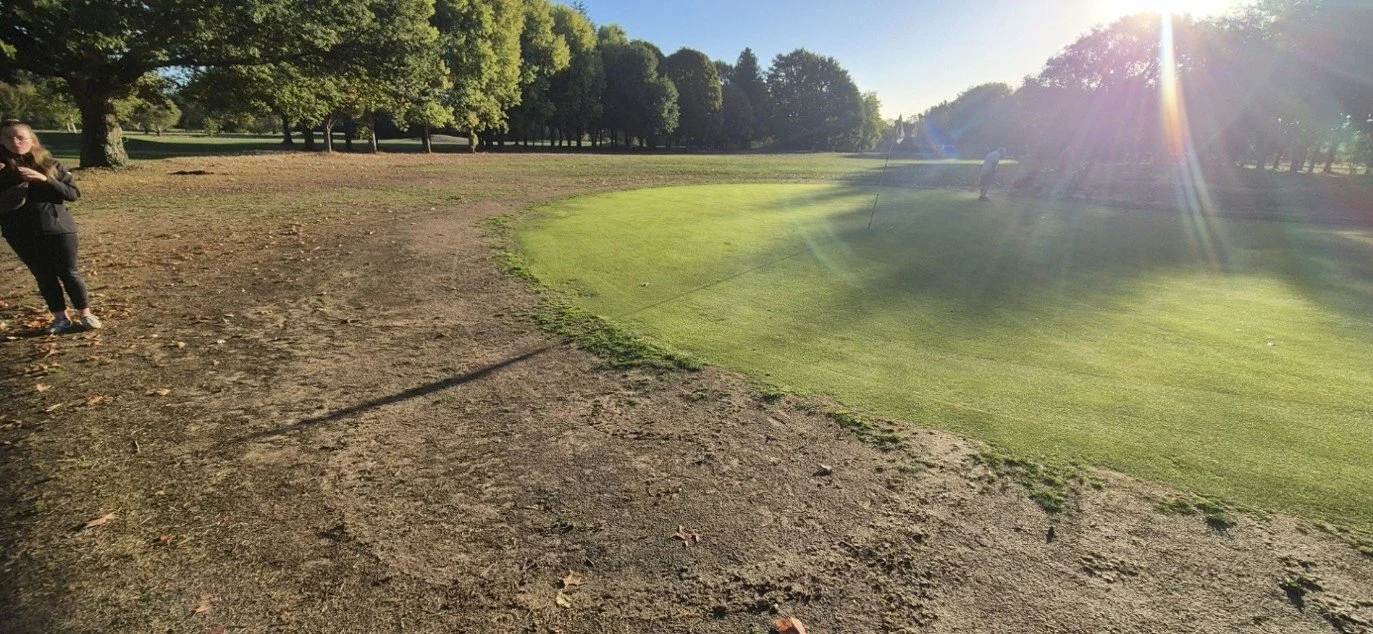
Figure 4: Only the greens were watered on the 18 hole course. Golfers would walk their trolleys right to the edge.
With only four members of staff, a limited budget and restrictions on irrigation water, the team had been able to hand-water only the main 18 greens. The pictures show how devastating the resulting turf loss was.
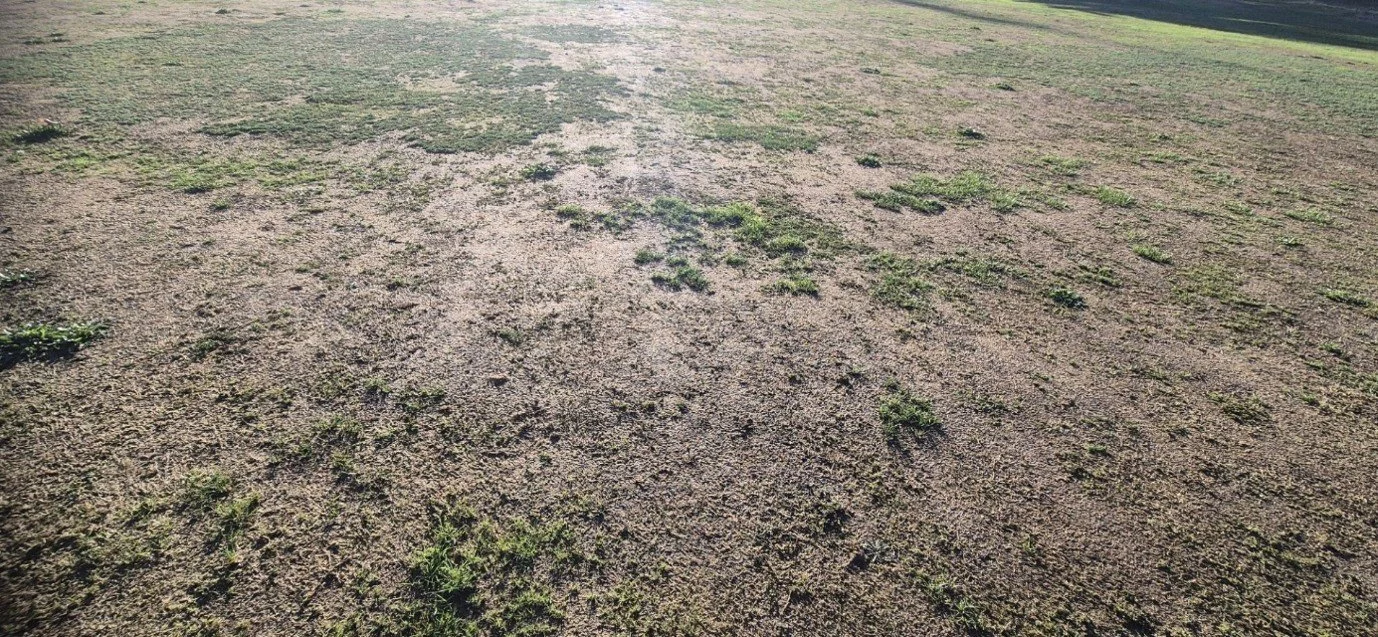
Figure 5: Part of a fairway which is virtually now just bare earth. Top Green are going to be conducting a trial of tall fescue on this fairway to see if it copes with the drought stress better.
Golf in France is often viewed negatively as an elite sport, and water use on turf is severely restricted.
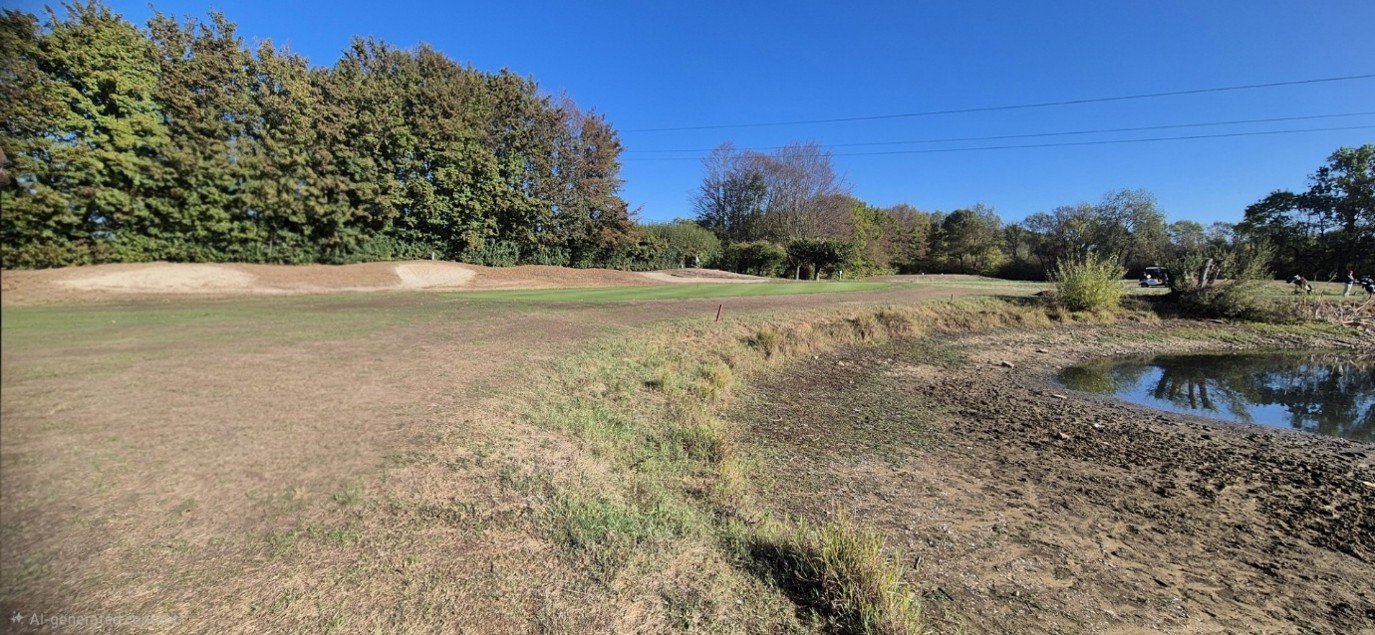
Figure 6: A green oasis, the rest restricted of water.
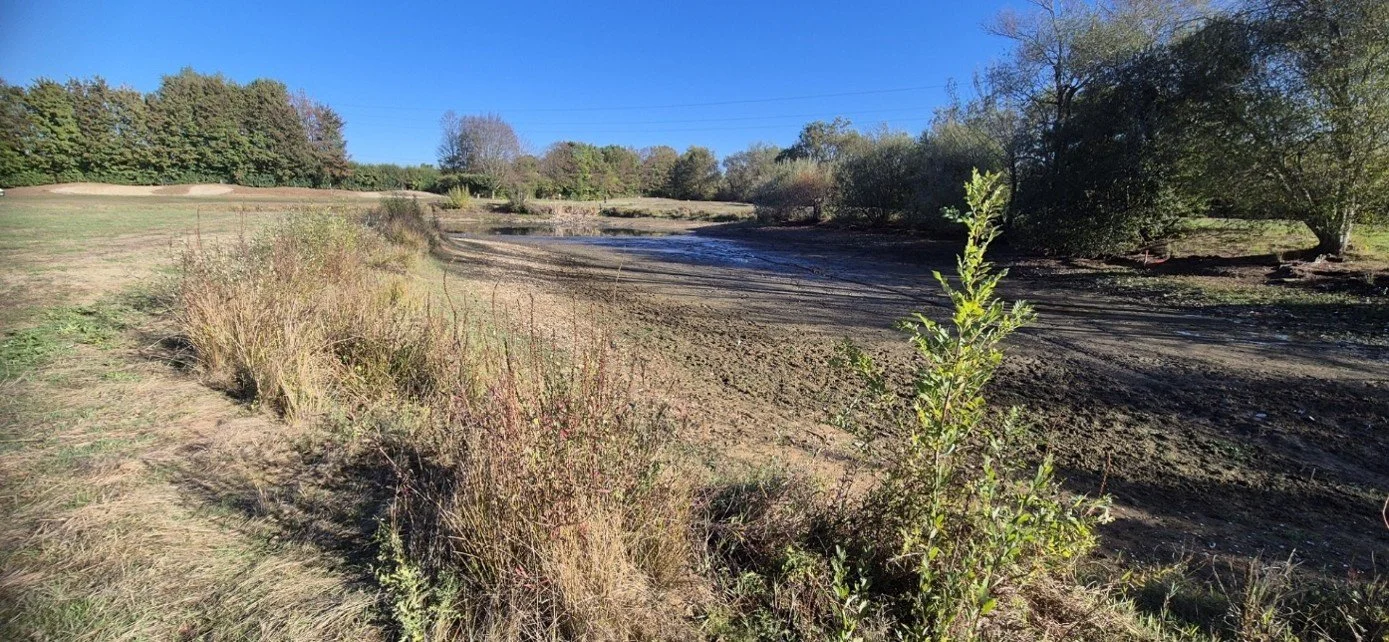
Figure 7: One of two reservoirs used for irrigating the course. Both were virtually dry.
Similar pressures may affect courses in this country in future, although golf makes a substantial contribution to our economy.
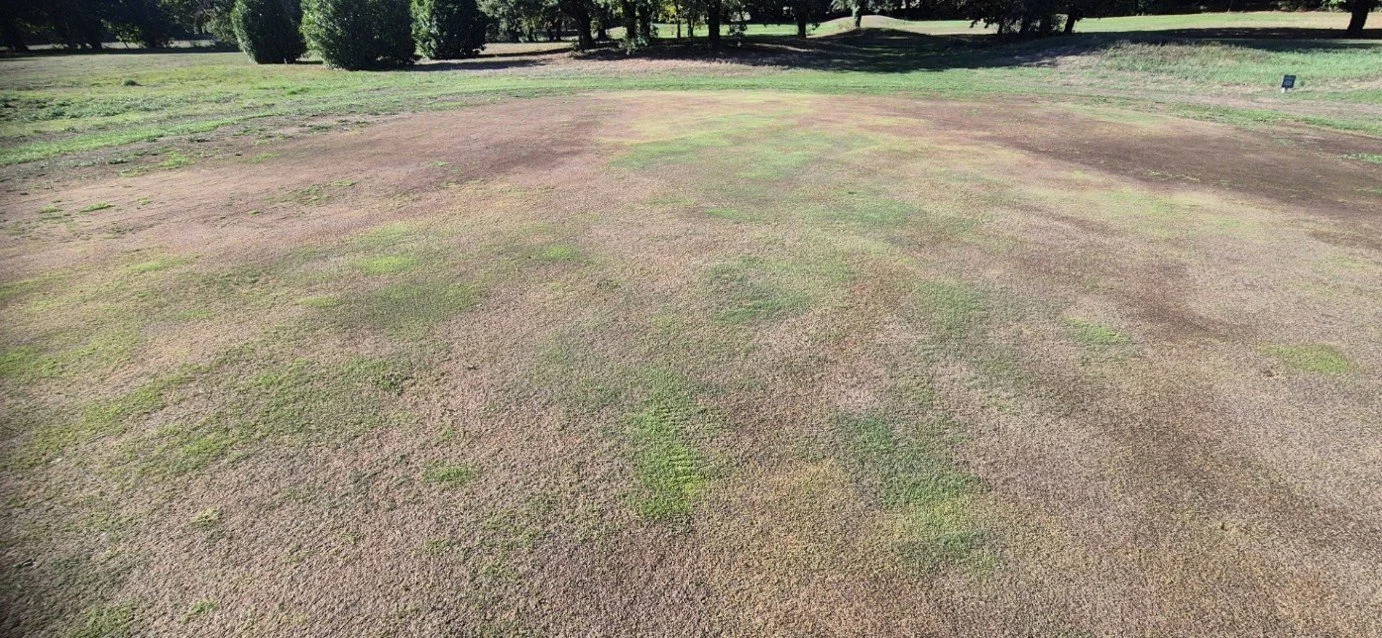
Figure 8: Pitch and putt green. Left to fight on its own while they concentrated on the main course.
The visit gave the group a valuable opportunity to see the effects of prolonged dry weather on the playing surfaces and the wider course.
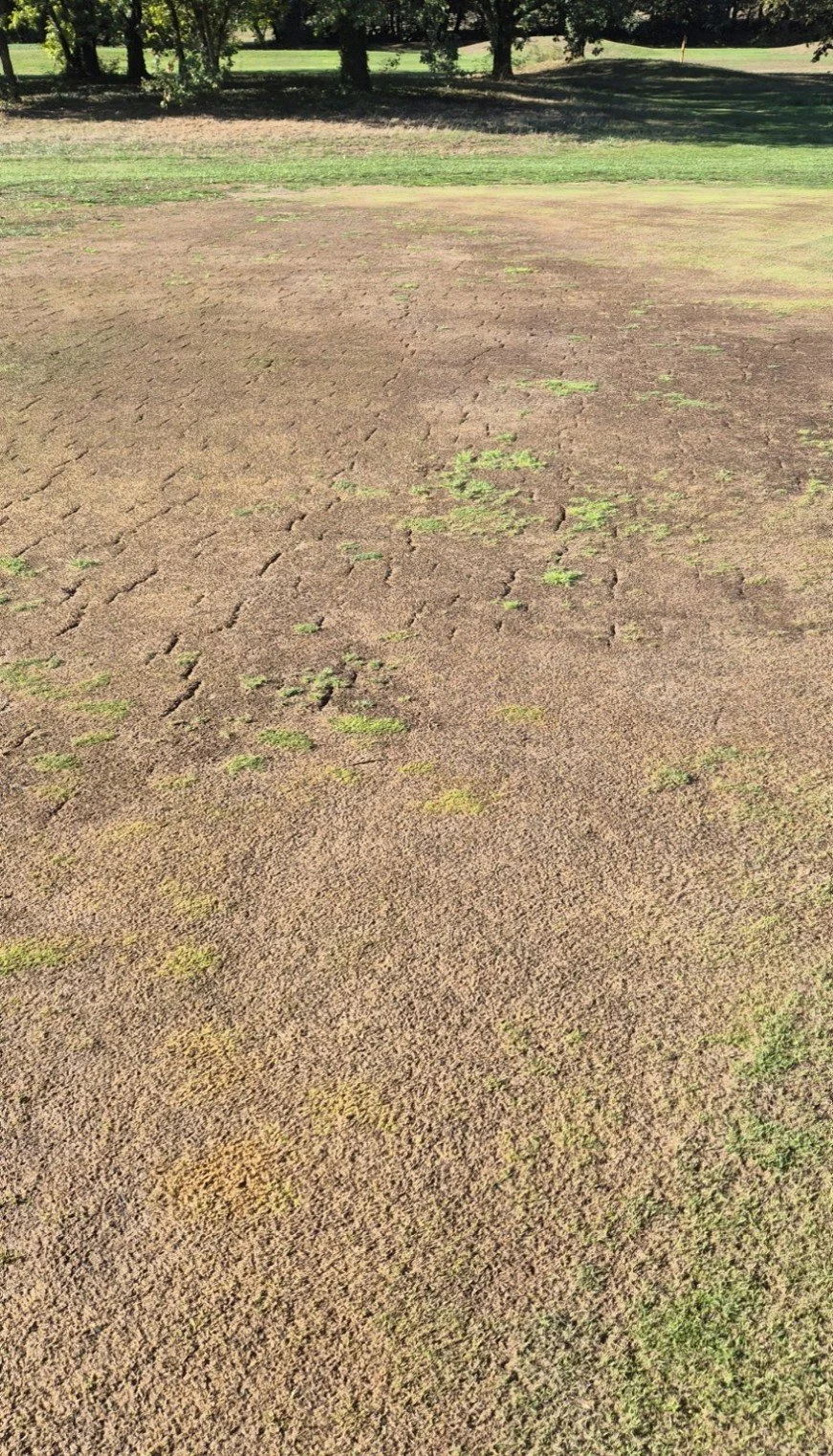
Figure 9: Pitch and putt green, recovery work has begun, but a long road ahead for them.
It reinforced the need for resilient turf, sensible species selection and practical management plans for periods when water is limited. The course had dug a pond to collect rainwater and installed a pump system to transfer it into the main reservoir from which water was normally drawn. At the time of our visit, both the pond and the reservoir were virtually dry.
The trip was both enjoyable and informative, combining technical insight with a practical look at the challenges faced by golf courses in dry conditions. My thanks go to Origin Amenity Solutions for hosting the visit and to the teams at Top Green and the golf course for sharing their time, knowledge and experience.
As for news closer to home, we have begun to strip off the turf of the bunkers down on the bottom land, ready for reconstruction work, to include reshaping in parts, new drainage, new liner, and new sand. The sooner we can complete the work, the sooner they can be readied for play. This work will be ongoing over the next month and may mean the bottom land is closed at various times during the week for safety reasons. This disruption will be kept to a bare minimum though. The bunkers worked on are now all GUR and have been marked accordingly.
Steve
Head Greenkeeper